My Favorite Model

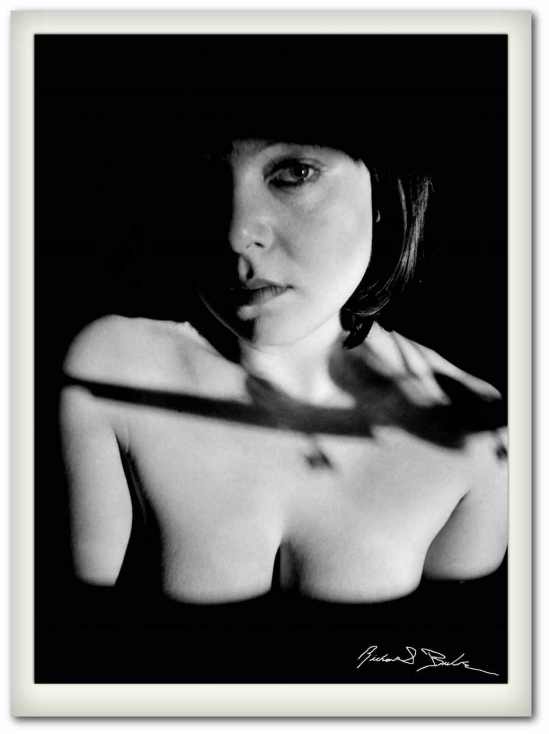
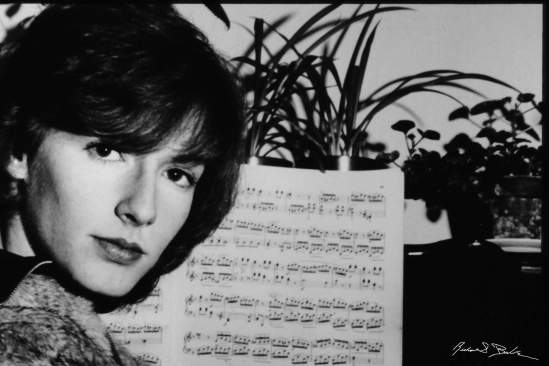
I have published a number of images of fashion models that I worked for back in the day however have never posted any images of my favorite model. My wife, now of 42 years was always my best model. She had the ability to look through the lens rather than at the lens. Most good models have this skill but most of them are professionals and she was not but she did have the skill and appearance to pursue that career had she wanted to. In any case, this is a portrait I took of her in 1977 and it is still one of my favorites. This image is not for sale.

To see other images and buy apparel or prints, please visit my commercial gallery.

Hinda 1977

Hinda 1977

I am NOT an Artist!

OK, now this is a personal thing. I am a photographer, not an artist. I try to do artistic photography and be creative in my work but that does not make me an artist. Picasso was an artist, Monet was an artist, some of the students I taught photography to are artists. An artist starts with a blank canvas and from their minds they create an image. Artists believe that primary colors are red, blue, green and yellow. They teach this to children in grade school. Photographers use light. They understand that human beings have red, blue and green receptors (cones) in their eyes. There are no yellow cones in your eyes. Photographers understand that yellow along with cyan and magenta are subtractive primaries and the basics of printing ink or toner on paper.

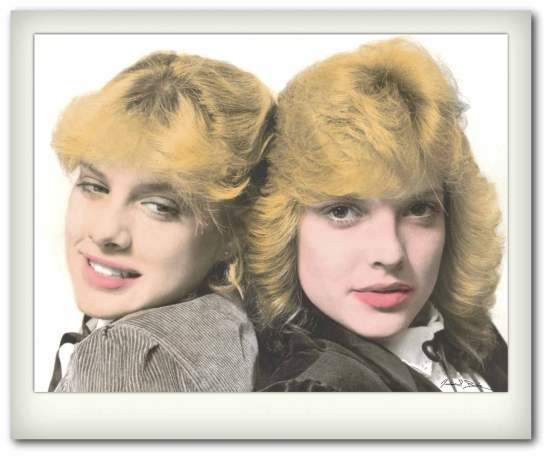
It must be magical to have the skill to look at a piece of canvas and use a brush to paint an image. I tried it in school and I sucked. The only thing I have ever painted that I liked is this image. I used Doctor Martins Dyes and brushes to hand color a monochrome print. It took forever! I never tried hand tinting again and went back to the camera, darkroom and now lightroom where I belong. You can see other images and buy apparel and prints at my commercial gallery.

Hand Colored Junior Miss Contestants

Hand Colored Junior Miss Contestants

The Artist

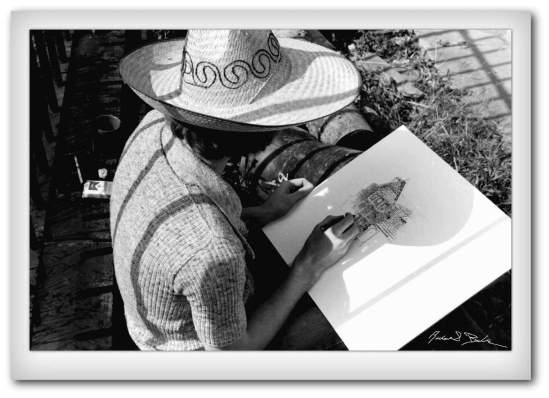
A portrait of an old friend who is an exceptional watercolor artist. He also did amazing pen and ink sketches. I used to save his doodles when that he did when he visited but don’t know what became of them. This was taken of him drawing a cemetery gate house in the Squirrel Hill section of Pittsburgh. You can purchase a print and see others at my commercial gallery.

The Artist

The Artist

Winter is Coming!

I am not talking about Game of Thrones or Winterfell either. All signs here point to a mild winter. The caterpillars are not too wooly and there are tons of acorns on the ground. Somehow, I feel that we will get more snow than last year which, is not saying much because last winter never happened. Won’t be too long though until sources like this will become common. You can see other images from my nature portfolio by clicking here.

Winter Patterns

Winter Patterns

Emily in the Studio

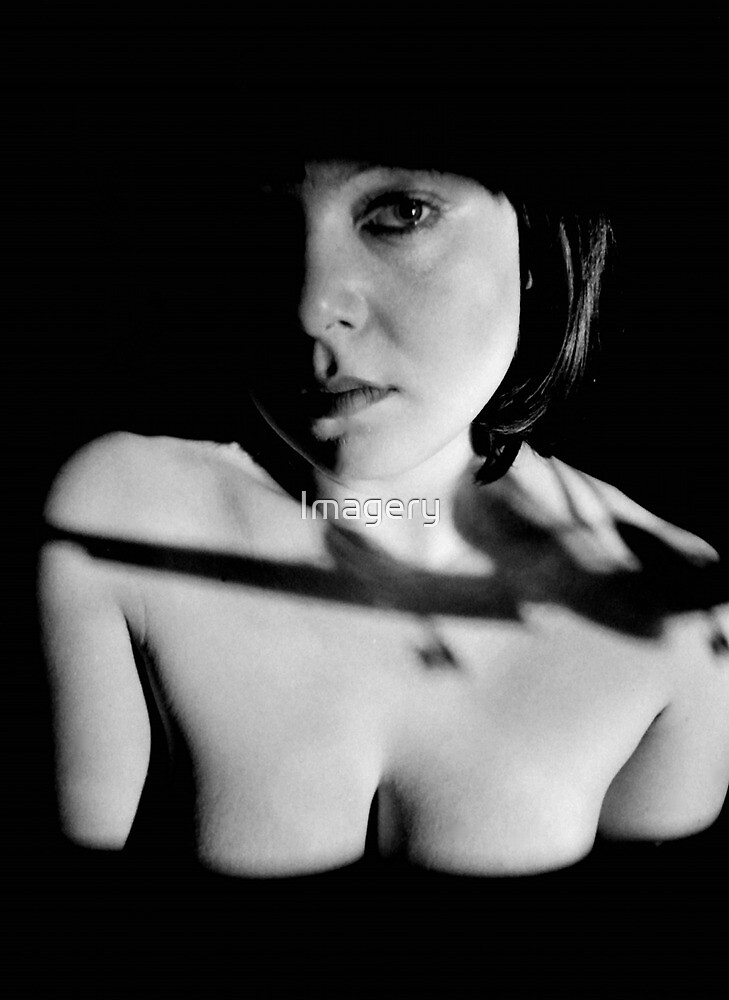
Back in the day, special effects had to be created in the studio or in the darkroom. We didn’t have little drag and drop toys, cloning brushes,layers and other digital tools. Creativity started with the camera and the lighting. There was no auto-exposure, auto focus and vibration reduction. Don’t get me wrong, I love digital photography and have abandoned the old ways entirely. However, sometimes that feels like a sell out. This special effect was created in the studio using only a slide projector for lighting. I used this technique with a few models but this is the only one that can be shown since the others contain nudity but they can be seen in my commercial gallery by clicking here. You can purchase a print of this image by clicking here.

Emily in the Studio

Emily in the Studio

Using the Zone System in Photography

The Zone System is a photographic technique invented by Ansel Adams and Fred Archer in 1941. At the time, most Photography was monochromatic and Adams worked out a system for visualization, which he considered to be a creative technique. He believed that you should look at a scene and visualize how you want the tones to look in the image. From that point he could apply exposure science to get the perfect exposure on film. Musicians say that if you can hum a tune, you can play it. Ansel Adams believed that if you could visualize the image you could photograph it. The Zone System provides photographers with a method of defining the relationship between the way they visualize the photographic subject and the final results. Although it originated with black and white film, the Zone System is also applicable to black and white and color, negative and reversal, and digital photography. The zone system is still taught today in photography schools and is a relevant tool for digital and film photography and for color and monochrome images. The image below is a good illustration of the zone system and you buy a print of this award winning image at my commercial gallery by clicking here.
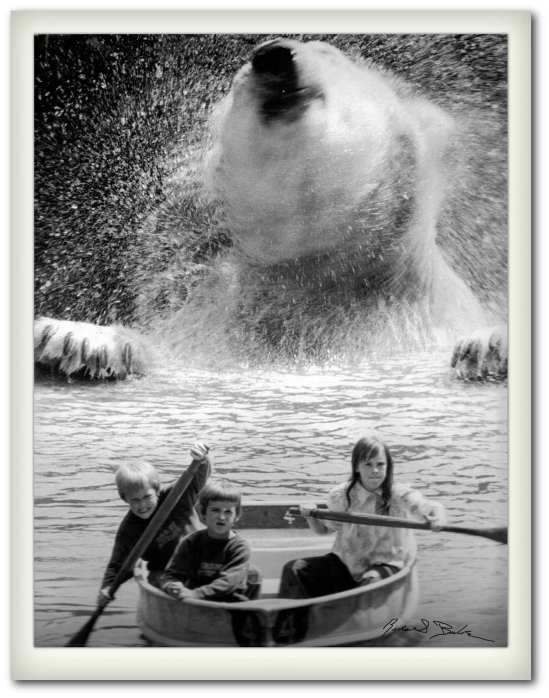
Row for Your Life!

Row for Your Life!

The simple tool that Adams and Archer developed is this 11-point monochromatic strip ranging from Step 0 to Step 10. Adams and Archer discovered that the eleven zones could be corresponded to exposure values. Exposure values refer to the logarithmic relationship between Aperture, Shutter Speed and Sensitivity. Sensitivity is the film or sensors ability to record light. In his book “The Negative” published in 1948 Adams discusses the scientific relationship between exposure value and the Zone System allowing Photographers to calculate how to adjust exposure to compress or expand the zones. Again, this all ties into visualization and knowing how you want tones to be reproduced.

Zone System Gradient lines

Zone System Gradient lines

To aid Photographers in visualization, Adams developed descriptions for each Zone. Keep in mind that the zone system strip is positive but Adams was working with negatives. The pure black of Zone 0 means that the negative was completely clear. This guide is just as relevant today as it was 70 years ago in helping photographers visualize photographic situations. Knowing that a person with light skin is Zone VII and that my meter is balanced for Zone VI tells me I need to close down one stop to achieve the optimum exposure for their skin. Keep in mind light meters today are much more sophisticated then 70 years ago and it is important to understand the operation of your light meter. In any case a light meter will not help you visualize a scene but the zone system will.
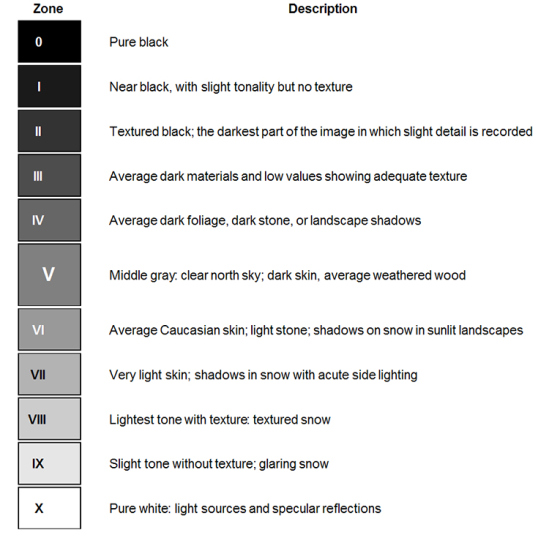
Zone System Descriptions

Zone System Descriptions

Although the Zone System was developed for monochrome images it can be applied to color photography as well. Keep in mind that device independent color models like HSV are based on hue, saturation and value. Value refers to the light/dark part of the color and when combined with saturation control the density of the image. The logarithmic part of exposure value applies here and so does the zone system. The greater the value, the less detail will be displayed in the image. It is more complicated than monochrome for sure but not when applied to visualization. Try visualizing your subject in monochrome and apply the zone system to that visualization. Many photographers and cinematographers carry a viewer that subtracts color from the scene. This allows them to make initial lighting an exposure decisions before considering the color elements.
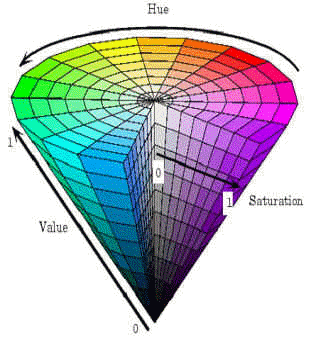
Indexed Color Model
Indexed Color Model